



Mayors Sports and Menswear
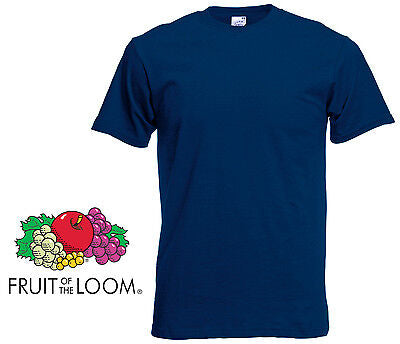
Fruit of the Loom Valueweight T.Shirt ..
Looking for an affordable, high-quality T-shirt? no further than the Fruit of the Loom Valueweight T-Shirt! This shirt is perfect for those who are looking for a durable, comfortable shirt that won't break the bank. Made from 100% Belcoro® yarn, this shirt is soft to the touch and has a smooth knit that is perfect for printing. Whether you are looking for a new shirt to add to your wardrobe or you need a bulk order for an event or group, the Fruit of the Loom Valueweight T-Shirt is the perfect solution!
Suitable for Screen printing Embroidery Digital Printing Transfers or Vinyl ,
What Makes Fruit of the Loom Special?
Today’s Fruit range has more styles, choices, sizes and colour than ever before. Since we’ve been one of the leading garment manufacturer for over 165 years; our range, quality, service and value is second to none.
Every garment in the collection is ethically produced and every item is designed to give perfect results for every kind of decoration.
Whether you’re looking for garments suitable for leisure, promotion, work wear, music merchandising, school uniform or sport we’ve complementary styles for men, ladies and kids across a comprehensive collection of t-shirts, sweats, shirts, performance and more including underwear.
For colour and choice from a brand you can always count on, Fruit of the Loom offers you everything under the sun!